
Christopher Bevans
Hi, I'm Christopher Bevans, the creator of SocksWiki.com. With a background in fashion design and a passion for innovation, I’m here to share my knowledge on socks from troubleshooting tips to detailed buying guides. I believe the right pair of socks can make all the difference, and through this site, I aim to help you find the perfect fit for every occasion.
Knowing about different types of socks guides you to the right pair for every activity and outfit. From no-show and ankle socks to crew, knee-high, thigh-high, and over-the-knee lengths, each style matches different needs.
Athletic and hiking socks add cushioning and moisture-wicking; wool and merino blends offer warmth and odor control.
Dress, trouser, and toe socks deliver polish for formal wear, while slipper, fuzzy, and novelty socks focus on comfort and fun. Compression and tab socks serve medical or practical purposes.
Let’s explore 25 types of socks available to find the ideal socks for any activity, climate, or outfit.
25 Different Types of Socks

Here are 25 different types of socks you can use in your daily life:
1. Ankle Socks

These versatile socks are a staple in many wardrobes due to their practicality and comfort. They’re perfect for casual wear, offering just enough coverage to keep your feet comfortable without being too bulky.
Ankle socks come in a wide range of styles, from basic solid colors to fun patterns and designs.
Some may feature reinforced heels and toes for added durability, while others incorporate moisture-wicking technology to keep your feet dry and comfortable all day long.
2. Crew Socks

With their mid-calf length, crew socks strike the perfect balance between coverage and comfort. They’re a popular choice for everyday wear, offering warmth and protection without being too restrictive.
Crew socks are often made from soft, breathable materials like cotton or a cotton blend, making them ideal for all-day wear.
They come in various thicknesses, ranging from lightweight options for warmer weather to thicker versions for colder climates or outdoor activities.
Many crew socks also feature ribbed cuffs that help keep them in place throughout the day.
3. Knee-high socks

These socks are not only practical but also fashionable, adding a stylish touch to any outfit. They’re commonly worn with skirts, dresses, or knee-high boots to keep your legs warm and create a sleek, polished look.
Knee-high socks come in a wide range of colors, patterns, and materials, allowing you to express your personal style.
Some may feature reinforced toes and heels for added durability, while others incorporate stretchy fabrics or stay-up technology to prevent them from sliding down throughout the day.
4. Over-the-knee Socks
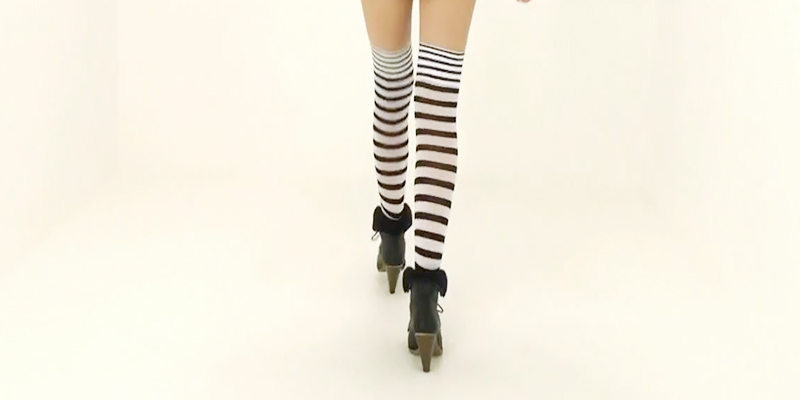
These trendy socks make a bold fashion statement, drawing attention to your legs and adding a playful vibe to your outfit.
They’re perfect for pairing with shorts, skirts, or dresses, allowing you to show off some skin while still staying warm and comfortable.
Over-the-knee socks come in various materials, including cotton, acrylic, and nylon, and may feature fun patterns like stripes, polka dots, or animal prints.
Some styles may also incorporate lace trim or other embellishments for added flair.
5. Thigh-high Socks
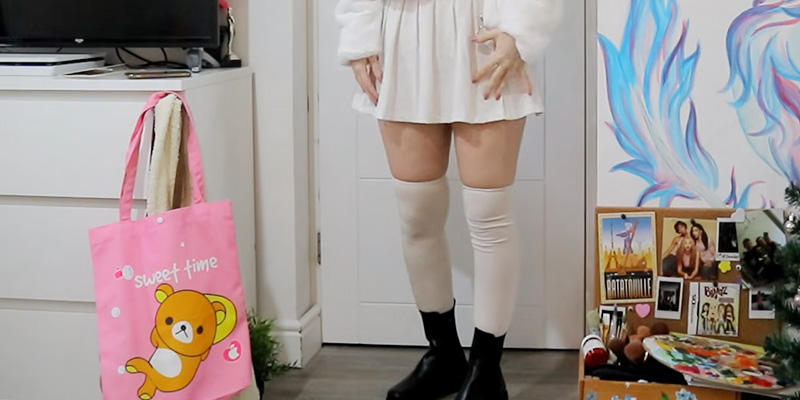
These socks take fashion to the next level, extending all the way up to your thighs for a dramatic, eye-catching look.
They’re often made from stretchy materials like nylon or spandex to ensure a snug and comfortable fit.
Thigh-high socks are perfect for making a statement at parties, festivals, or costume events, allowing you to showcase your individuality and sense of style.
Some styles may feature silicone grips or elastic bands at the top to help them stay up, while others may incorporate lace trim or other decorative details for added glamour.
6. Trouser Socks
These elegant socks are a must-have accessory for anyone who wants to look polished and put-together.
They’re designed to be worn with dress pants or trousers, providing a sleek, seamless look that complements formal attire.
Trouser socks are usually made from lightweight, breathable materials like nylon or microfiber, allowing your feet to breathe comfortably throughout the day.
They come in a variety of neutral colors, such as black, brown, or navy, to coordinate with your outfit seamlessly.
7. Athletic Socks
Whether you’re hitting the gym, going for a run, or playing your favorite sport, athletic socks are essential for keeping your feet comfortable and supported.
They’re specially designed to provide cushioning, arch support, and moisture-wicking properties, helping you perform at your best without discomfort or irritation.
Athletic socks come in various lengths, thicknesses, and styles to suit different activities and preferences.
Some may feature reinforced heels and toes for added durability, while others incorporate compression technology to improve blood circulation and reduce muscle fatigue.
8. Compression Socks
Compression socks apply graduated pressure to the legs and feet, helping to improve blood circulation and reduce swelling, fatigue, and muscle soreness.
They’re commonly worn by athletes, travelers, pregnant women, and individuals with certain medical conditions like varicose veins or deep vein thrombosis.
Compression socks come in different compression levels and styles, including knee-high, thigh-high, and full-leg lengths, and may feature graduated compression zones for targeted support.
9. Wool Socks
Wool socks are prized for their natural insulating properties, moisture-wicking abilities, and softness against the skin.
They’re ideal for cold weather activities like hiking, skiing, snowboarding, and camping, as they provide warmth even when wet and help regulate body temperature in extreme conditions.
Wool socks come in various thicknesses and styles, including hiking socks, mountaineering socks, and everyday socks for casual wear.
10. Dress Socks
Dress socks are thin, lightweight socks designed to be worn with dress shoes and formal attire.
They’re typically made of smooth, breathable materials like cotton, silk, or microfiber and come in a wide range of colors, patterns, and lengths to complement different outfits and occasions.
Dress socks may feature reinforced heels and toes for durability and may be available in extra-fine gauges for a luxurious feel.
11. Novelty Socks
Novelty socks are all about fun and creativity, featuring whimsical designs, vibrant colors, and playful motifs.
They can showcase anything from animals and food to cartoons, superheroes, and famous artworks.
Novelty socks are a popular choice for adding personality to outfits, expressing hobbies or interests, or giving as unique gifts for birthdays, holidays, or special occasions.
They come in various lengths and materials, including cotton, polyester, and blends, and can be found in themed collections or limited-edition releases.
12. Toe Socks
Toe socks are unique in that they have individual compartments for each toe, similar to gloves for the feet.
They’re believed to promote better toe alignment, prevent blisters, and enhance proprioception by allowing toes to move freely and independently.
Toe socks are popular among runners, hikers, and yoga enthusiasts, as they help reduce friction and improve stability during activities.
They come in various lengths, thicknesses, and materials, including cotton, wool, and synthetic blends, and may feature seamless construction for maximum comfort.
13. No-Show Socks
No-show socks, also known as invisible or low-cut socks, are designed to be worn with shoes that expose the top of the foot, such as loafers, boat shoes, or ballet flats.
They provide a sockless look while still offering protection against sweat, odor, and blisters. No-show socks typically feature silicone grips or heel tabs to keep them in place and may have reinforced heels and toes for durability.
They come in various materials, including cotton, nylon, and bamboo, and may feature moisture-wicking or antimicrobial properties for added comfort and freshness.
14. Slipper Socks
Slipper socks combine the warmth and coziness of slippers with the flexibility and breathability of socks.
They’re often made of soft, plush materials like fleece, chenille, or sherpa and feature non-slip soles or gripper dots for traction on smooth surfaces.
Slipper socks are perfect for wearing around the house on cold days or for lounging in comfort after a long day.
They come in various styles, including booties, moccasins, and slip-on designs, and may feature fun embellishments like pom-poms, animal faces, or festive patterns.
15. Tab socks
Tab socks, also known as quarter socks or low-cut socks, feature a small tab or loop at the back of the ankle to prevent them from slipping down into the shoe.
They’re a popular choice for runners, athletes, and active individuals who want to avoid the annoyance of constantly adjusting their socks during workouts or sports activities.
Tab socks often have cushioned soles, arch support, and moisture-wicking properties for enhanced comfort and performance.
They come in various materials, including cotton, polyester, and blends, and may feature seamless construction or targeted ventilation for breathability.
16. Toeless Socks
Toeless socks, also known as pedicure socks or yoga socks, are designed to keep the majority of the foot covered while leaving the toes exposed.
They’re commonly worn during pedicures, yoga, Pilates, or other activities that require barefoot flexibility and grip.
Toeless socks provide warmth and protection for the sole of the foot while allowing for better traction and stability during exercises or poses.
They come in various styles, including ankle-length, knee-high, and thigh-high, and may feature non-slip grips on the sole or silicone strips at the toe openings to prevent slipping.
17. Fuzzy Socks
Fuzzy socks are all about comfort and warmth, featuring soft, plush materials like fleece, chenille, or sherpa that envelop the feet in cozy softness.
They’re perfect for lounging at home, keeping warm on cold nights, or pampering tired feet after a long day.
Fuzzy socks come in various lengths, thicknesses, and styles, including ankle socks, crew socks, and slipper socks, and may feature fun patterns, fuzzy cuffs, or decorative embellishments like pom-poms or animal faces.
They’re a popular choice for gift-giving and self-care rituals, providing instant relaxation and comfort whenever they’re worn.
18. Diabetic Socks
Diabetic socks are specially designed to provide comfort and protection for people with diabetes, particularly those who experience sensitive feet, poor circulation, or reduced sensation.
Unlike regular socks, they often feature non-binding tops, smooth toe seams, and soft cushioning to minimize pressure and friction against the skin.
These socks are commonly made from breathable, moisture-wicking materials that help keep feet dry and reduce the risk of skin irritation.
Some diabetic socks also feature extra padding around the heels and toes for additional protection. Their gentle construction makes them suitable for everyday wear, especially for individuals who need extra attention to foot care.
19. Tabi Socks
Tabi socks are traditional Japanese-style socks featuring a distinctive split-toe design that separates the big toe from the other four toes.
Originally designed to be worn with traditional Japanese footwear such as geta and zori sandals, they have become popular in modern fashion and casual footwear.
Tabi socks are typically made from cotton, wool, or stretchy fabric blends that provide flexibility and a comfortable fit.
Their unique construction allows the big toe to move independently, making them suitable for split-toe footwear. They come in various lengths, colors, and patterns, ranging from traditional white designs to fashionable contemporary styles.
20. Tube Socks
Tube socks are simple, versatile socks designed without a clearly defined heel pocket, allowing them to accommodate different foot sizes and shapes.
They typically feature a long, straight construction that extends from the toes to the calf or knee, making them popular for sports, casual outfits, and everyday activities.
Tube socks are commonly made from cotton, polyester, or blended fabrics that offer softness, stretch, and durability.
Many designs feature colorful stripes near the top, giving them a classic athletic appearance. Their flexible fit and straightforward construction make them a practical choice for people who prefer comfortable, easy-to-wear socks.
21. Liner Socks
Liner socks are thin, lightweight socks designed to be worn underneath thicker socks to improve comfort and help manage moisture.
They are particularly useful during hiking, trekking, and other outdoor activities where prolonged walking can create friction between the feet and footwear.
Liner socks are usually made from moisture-wicking materials such as polyester, nylon, or merino wool that help move sweat away from the skin.
Their smooth, close-fitting construction can help reduce rubbing and lower the likelihood of developing blisters when paired with suitable outer socks and well-fitting shoes. They are available in different lengths to accommodate various types of footwear.
22. Thermal Socks
Thermal socks are designed to retain warmth and keep feet comfortable during cold weather, making them an excellent choice for winter activities and outdoor adventures.
They are typically made from insulating materials such as wool, acrylic, fleece, or specialized synthetic blends that help reduce heat loss.
Many thermal socks feature thick cushioning, brushed interiors, or a soft terry-loop construction that traps warm air around the feet.
These socks are commonly worn during camping, winter walks, and everyday activities in cold environments. They come in various lengths and thicknesses, allowing wearers to choose the appropriate level of insulation for different temperatures and footwear.
23. Hiking Socks
Hiking socks are specially designed to provide cushioning, moisture management, and comfort during long walks on trails and uneven terrain.
They are commonly made from merino wool, nylon, polyester, or blended materials that help regulate moisture and provide durability during demanding outdoor activities.
Many hiking socks feature reinforced heels and toes, padded soles, and supportive arch areas to reduce friction and improve comfort inside hiking boots.
They come in lightweight, midweight, and heavyweight options to suit different weather conditions and hiking environments. Choosing hiking socks with the right thickness and fit can help keep feet comfortable throughout extended outdoor adventures.
24. Running Socks
Running socks are lightweight, performance-focused socks designed to keep feet comfortable during jogging, training, and long-distance running.
They are typically made from breathable synthetic fibers or merino wool blends that wick moisture away from the skin and help prevent excessive dampness inside running shoes.
Many running socks feature targeted cushioning, seamless toe areas, arch support bands, and ventilation zones to reduce irritation and improve overall comfort.
They are available in no-show, ankle, quarter, and crew lengths to suit different running preferences. Some styles also include heel tabs and snug-fitting cuffs that help prevent the socks from slipping during movement.
25. Ski Socks
Ski socks are specialized winter sports socks designed to provide warmth, cushioning, and a comfortable fit inside ski boots.
They are usually knee-high and made from merino wool, nylon, polyester, or technical fabric blends that help regulate temperature and manage moisture.
Unlike ordinary winter socks, ski socks often feature strategically placed padding around the shins, ankles, and heels to protect sensitive areas from pressure inside rigid ski boots.
Many designs also include elastic support zones and flat toe seams to prevent bunching and discomfort. Their carefully balanced thickness helps maintain a secure boot fit while keeping feet comfortable during skiing and other snow activities.
How to Choose the Right Socks
Choosing the right socks is essential for keeping your feet comfortable, dry, and protected throughout the day.
Different types of socks serve different purposes, so it’s important to consider your activities, footwear, weather conditions, and personal preferences before making a choice.
Here are some important factors to consider when selecting the perfect pair of socks:
1. Consider Your Activity
The first step is to choose socks based on how you plan to use them. For everyday wear, cotton or bamboo-blend socks can provide softness and comfort.
Running socks are designed to manage moisture and reduce friction during exercise, while hiking socks offer additional cushioning and durability for outdoor adventures.
For winter sports, specialized ski socks provide insulation and targeted padding. Choosing activity-specific socks can improve comfort and help prevent common foot problems.
2. Choose the Right Material
Sock materials play a significant role in breathability, moisture management, and overall comfort.
Cotton socks are soft and breathable but tend to retain moisture, making them less suitable for intense physical activities. Merino wool socks help regulate temperature and manage moisture, making them suitable for both warm and cold conditions.
Synthetic materials such as polyester and nylon are commonly used in athletic socks because they dry quickly and provide durability. Bamboo-derived fabrics are another popular option for their soft texture and comfortable feel.
3. Select the Appropriate Sock Length
Socks come in different lengths, including no-show, ankle, quarter, crew, knee-high, and over-the-knee styles.
No-show and ankle socks work well with sneakers and casual shoes, while crew socks provide additional coverage for everyday wear and outdoor activities.
Knee-high socks are often preferred for skiing, certain sports, and wearing with tall boots. The ideal length depends on your footwear, clothing style, and the amount of leg coverage you need.
4. Pay Attention to Size and Fit
Proper sock sizing is important for preventing discomfort, slipping, and unnecessary friction.
Socks that are too tight may create pressure around your feet and ankles, while oversized socks can bunch up inside shoes and cause irritation.
Choose socks that fit snugly without restricting circulation. The heel should sit comfortably around your heel, and the toe area should provide enough room for natural movement.
Always check the manufacturer’s size chart, as sock sizing can vary between brands.
5. Consider Cushioning and Thickness
Different socks offer varying levels of cushioning to accommodate specific activities and footwear.
Thin socks are suitable for dress shoes and snug-fitting footwear, while medium-cushioned socks provide additional comfort for walking and everyday activities.
Thicker socks can offer extra padding for hiking and cold-weather use. However, excessive thickness may make shoes feel tight, so choose cushioning that works with your footwear.
6. Think About Weather Conditions
Weather is another important factor when choosing socks.
During summer, lightweight and breathable socks help manage sweat and keep feet comfortable. Moisture-wicking materials are particularly useful in hot and humid environments.
For winter, thermal socks or merino wool socks provide insulation and help retain warmth. Choosing socks appropriate for the season can improve comfort during changing temperatures.
7. Look for Special Features
Some socks include additional features designed for specific needs.
Compression socks provide graduated pressure and may help manage certain circulation-related concerns. Diabetic socks often feature non-binding cuffs and smooth seams to reduce pressure and friction.
Seamless toe construction, reinforced heels, arch support, and moisture-wicking technology are other features worth considering.
Ultimately, the best socks are those that fit properly, complement your footwear, and meet your daily needs. By considering material, length, cushioning, weather, and intended use, you can choose socks that provide lasting comfort and protection for your feet.
Frequently Asked Questions About Types of Socks
What are ankle socks best used for?
Ankle socks are ideal for casual wear and provide minimal coverage, making them perfect for everyday activities and warmer weather.
How do compression socks benefit me?
Compression socks improve blood circulation, reduce swelling, and alleviate muscle fatigue, making them useful for athletes, travelers, and those with certain medical conditions.
Can I wear knee-high socks with formal attire?
Yes, knee-high socks can be worn with formal attire, especially in cooler weather. Trouser socks, which are similar in length, are specifically designed for this purpose.
What are the advantages of wool socks?
Wool socks offer excellent insulation, moisture-wicking properties, and warmth even when wet, making them ideal for cold weather and outdoor activities.
What are no-show socks?
No-show socks are designed to be invisible when worn with shoes like loafers or ballet flats. They offer protection against sweat and blisters while maintaining a sockless appearance.
Hi, I'm Christopher Bevans, the creator of SocksWiki.com. With a background in fashion design and a passion for innovation, I’m here to share my knowledge on socks from troubleshooting tips to detailed buying guides. I believe the right pair of socks can make all the difference, and through this site, I aim to help you find the perfect fit for every occasion.
- Latest Posts by Christopher Bevans
-
How to Wash Copper Fit Compression Socks 2026
- -
Wright Socks: All About the Anti-Blister Socks
- -
Is It Better to Sleep With Socks on Or off?
- All Posts

