
Christopher Bevans
Hi, I'm Christopher Bevans, the creator of SocksWiki.com. With a background in fashion design and a passion for innovation, I’m here to share my knowledge on socks from troubleshooting tips to detailed buying guides. I believe the right pair of socks can make all the difference, and through this site, I aim to help you find the perfect fit for every occasion.
Copper Fit compression socks are not your average pair of everyday socks. They are engineered with copper-infused fibers and a carefully constructed elastic weave designed to support circulation, reduce muscle fatigue, and keep your feet comfortable during long hours of standing, exercising, or recovering from injury.
Because of this specialized construction, washing them incorrectly, even once, can permanently compromise their compression strength, shrink the fabric, damage the copper-infused threads, or cause the elastic to break down prematurely.
This guide covers everything you need to know: from pre-wash preparation and choosing the right detergent, to drying methods, storage tips, and warning signs that your socks need replacing.
Whether you are a first-time owner or have been wearing compression socks for years, following these instructions will help your Copper Fit socks last significantly longer and perform better.
What You Will Need Before You Start
Gather these items before washing:
- A mild, gentle laundry detergent (free of bleach, dyes, and fabric softener)
- A mesh laundry bag (if machine washing)
- A clean basin or sink (if hand washing)
- Cool or lukewarm water (never hot)
- A clean, dry towel
- A flat drying surface or a clothesline away from direct sunlight
If you are unsure whether your detergent is suitable, look for labels that say “gentle,” “delicate,” or “free and clear.” Brands like Woolite, Seventh Generation Free & Clear, or similar gentle formulas work well.
Avoid anything with added brighteners, bleach, or heavy fragrance, as these additives can break down both the copper fibers and the elastane.
How to Wash Copper Fit Compression Socks: Two Methods
There are two acceptable methods for washing Copper Fit compression socks — hand washing and machine washing.
Hand washing is always the safer and more recommended option because it gives you full control over temperature and agitation. Machine washing is acceptable if done carefully with the right settings.
Method 1: Hand Washing (Recommended)
Hand washing is the gold standard for compression sock care. It takes only a few extra minutes and dramatically extends the lifespan of your socks.
Step 1: Rinse off surface dirt immediately after wearing
As soon as you take your socks off, rinse them briefly under cool running water. This removes sweat, skin oils, and surface debris before they have a chance to settle into the fibers.
Sweat, in particular, is slightly acidic, and leaving it in the fabric for hours or days between washes can gradually weaken the elastane and degrade the copper threads.
This quick rinse is optional, but it makes a noticeable difference if you wear your socks during exercise or for long shifts on your feet.
Step 2: Fill a basin with cool or lukewarm water
Fill a clean sink or basin with cool water. Lukewarm is acceptable, but aim to keep the temperature below 30°C (86°F). If the water feels warm to the back of your hand, it is already too hot.
Never use hot water. The heat breaks down the elastane bonds and causes the fabric to shrink and lose shape.
Step 3: Add a small amount of gentle detergent
Add roughly half a teaspoon of gentle liquid detergent to the water and swirl it around until it is evenly distributed. Using too much detergent is a common mistake.
Excess soap is difficult to rinse out completely, and the residue left behind can stiffen the fibers and irritate skin. Avoid powder detergents for hand washing compression socks.
Powder can leave undissolved particles trapped in the tight weave of the fabric, which is harder to rinse out than liquid.
Step 4: Submerge and gently agitate
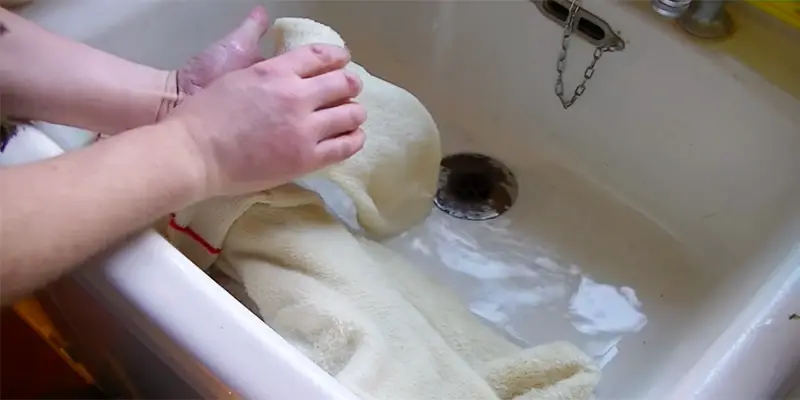
Place both socks into the soapy water. Press them down to ensure they are fully submerged. Gently squeeze and massage the fabric with your hands for about two to three minutes.
Work the soapy water through the sock from the toe to the cuff. Pay particular attention to the heel and the toe area, as these spots tend to accumulate the most sweat and friction.
Do not scrub, twist, or wring the socks aggressively. Rough handling stretches and stresses the elastane fibers in irregular ways, which can cause uneven compression or small tears in the fabric over time.
Step 5: Rinse thoroughly
Drain the soapy water and refill the basin with fresh, cool water. Gently squeeze the socks through the clean water to remove the soap. Repeat this process two or three times, or until no more soapy suds appear when you squeeze the socks.
Thorough rinsing is important – leftover detergent residue is one of the most common causes of fabric stiffness and reduced elasticity.
Step 6: Remove excess water without wringing
Do not wring or twist the socks to remove water. Instead, gently press each sock against the side of the basin to push out as much water as possible. Then lay the sock flat on a clean, dry towel.
Roll the towel up around the sock and gently press down along the roll to absorb the remaining moisture. This technique removes a significant amount of water without applying any damaging stress to the elastic fibers.
Method 2: Machine Washing
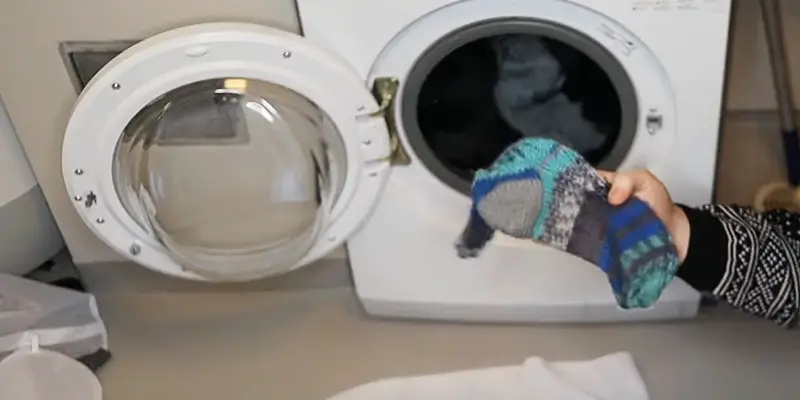
If hand washing is not practical for you every time, machine washing is acceptable provided you follow these specific steps closely. Skipping any of them increases the risk of damage.
Step 1: Turn the socks inside out
Before placing the socks into a laundry bag, turn them inside out. The inside surface of the sock — the side that contacts your skin – accumulates the most sweat, oils, and bacteria.
Turning them inside out exposes this surface most directly to the wash water and detergent, resulting in a more thorough clean.
Step 2: Place socks in a mesh laundry bag
Always use a mesh laundry bag when machine washing compression socks. Without one, the socks can get stretched, tangled, or snagged on zippers, buttons, or other garments in the wash.
A mesh bag also reduces the mechanical agitation the socks are exposed to, which is gentler on the elastic fibers.
Step 3: Select the delicate or gentle cycle
Set your washing machine to the delicate, gentle, or hand-wash cycle. These settings use slower spin speeds and shorter agitation cycles, which are far less damaging to compression fabrics.
Avoid any cycle labeled “heavy duty,” “normal,” or “cotton,” as these use aggressive agitation that can stress and distort the elastane weave.
Step 4: Use cold water only
Select the coldest water temperature setting available on your machine. Cold water is gentler on elastic fibers and copper-infused threads. Many modern washing machines have a “cold” setting that uses water close to room temperature – this is ideal.
Step 5: Add the correct detergent and amount
Use the same type of gentle, dye-free, bleach-free liquid detergent recommended for hand washing. Use roughly half the amount you would normally use for a regular load of laundry.
Too much detergent in a machine wash creates excess suds that are difficult to rinse out fully, leaving residue in the fabric.
Do not add fabric softener to the wash or dryer cycle at any point.
Step 6: Wash with similar items only
Wash your compression socks with lightweight, delicate items – other thin socks, underwear, or activewear. Avoid washing them with heavy items like jeans, towels, or hoodies.
Heavy items create too much friction and mechanical force in the drum, which can snag or stretch the compression sock fabric.
Step 7: Remove promptly after the cycle ends
Take the socks out of the washing machine as soon as the cycle finishes. Leaving wet compression socks sitting in a damp drum for an extended period encourages mildew growth and can cause the fabric to develop an unpleasant odor that is very difficult to eliminate completely.
Why Proper Washing Matters More Than You Think
Most people toss their socks into the washing machine without a second thought. With Copper Fit compression socks, that habit can be genuinely damaging.
Here is why:
The copper-infused fibers are delicate
Copper Fit socks use threads embedded with copper oxide or copper-infused yarn. These fibers provide antimicrobial and odor-control properties. Harsh detergents, bleach, and high heat can chemically degrade these fibers, reducing their effectiveness over time.
The compression comes from elastane and nylon
The tight, graduated compression that gives these socks their therapeutic benefit is produced by a blend of elastane (also called spandex or Lycra) and nylon.
Both of these materials are highly sensitive to heat. A single wash in hot water or one cycle in a hot dryer can cause the elastic fibers to lose their tension permanently. Once that elasticity is gone, it cannot be restored.
Fabric softener is the enemy
This surprises many people. Fabric softeners and dryer sheets coat fibers with a thin, waxy layer to make fabrics feel smooth.
On compression socks, that coating clogs the elastane fibers, making them stiff and reducing their ability to stretch and spring back. Over time, regular fabric softener use kills the compression entirely.
Understanding these vulnerabilities is the foundation of proper care. Every step in this guide flows from one central rule: protect the elastic fibers and the copper-infused threads.
How to Dry Copper Fit Compression Socks
Drying is just as critical as washing. In fact, many people who wash their socks correctly make mistakes during the drying process that end up causing the same damage they were trying to avoid.
Air drying is the only recommended method.
Lay your socks flat on a clean, dry surface away from direct sunlight and away from any heat source. A drying rack, a clean countertop, or a towel spread on a flat surface all work well.
Laying them flat – rather than hanging them by one end – helps the socks retain their shape as they dry, preventing stretching from the weight of water.
Allow the socks to dry completely before storing or wearing them. Depending on humidity and airflow in your space, this typically takes anywhere from four to eight hours, or overnight.
Things to avoid during drying:
- Do not put Copper Fit compression socks in the dryer, even on a low or delicate heat setting. The tumbling action combined with any level of heat degrades the elastane fibers. Even one dryer session can noticeably reduce compression strength.
- Do not hang the socks by their cuff or toe to dry. Hanging concentrates gravity’s pull on one point of the fabric, which can cause uneven stretching and distort the compression gradient.
- Do not dry them near a radiator, heating vent, or sunny window. Radiant heat dries the fabric too quickly and unevenly, stressing the elastic fibers.
- Do not use an iron on compression socks under any circumstances. The direct heat will melt or severely damage the elastane and copper-infused fibers instantly.
How Often Should You Wash Compression Socks?
The general recommendation is to wash compression socks after every single use.
This may sound excessive, but there are important reasons for it:
Sweat, skin oils, and dead skin cells accumulate with every wear. These substances are not just a hygiene concern – they can gradually break down both the elastic and the copper-infused fibers if allowed to sit in the fabric repeatedly.
Frequent washing with the correct gentle method is far less damaging to the socks than infrequent washing that leaves biological residue embedded in the fibers for days at a time.
If you wear compression socks daily, consider owning multiple pairs and rotating them. This gives each pair adequate time to air dry fully between uses, and it distributes the wear evenly so no single pair degrades faster than the others.
Special Situations: Dealing With Stubborn Odors and Stains
Even with regular washing, compression socks can occasionally develop persistent odors or pick up light stains. Here is how to handle these situations without damaging the fabric.
For stubborn odors:
Soak the socks in a solution of cool water and a small amount of white distilled vinegar – roughly one part vinegar to four parts water – for about 30 minutes before washing as normal.
White vinegar is a natural deodorizer that neutralizes odor-causing bacteria without damaging elastic fibers or copper threads. Rinse very thoroughly afterward, as any remaining vinegar smell will dissipate once the socks are fully dry.
Do not use baking soda directly on wet compression socks. While baking soda is a popular odor remedy, its abrasive texture can be harsh on delicate fibers when worked in by hand.
For light stains:
Apply a tiny drop of gentle liquid detergent directly to the stained area and work it in gently with your fingertip. Let it sit for five to ten minutes, then rinse thoroughly before proceeding with your normal wash routine.
Avoid using stain-removal sprays or pens unless they are specifically labeled safe for delicate or elastane-containing fabrics, as many commercial stain removers contain chemicals that dissolve elastic fibers.
Never use bleach – not even diluted bleach – on Copper Fit compression socks. Bleach chemically destroys both the elastane and the copper-infused elements in the fabric, causing irreversible damage.
Storage Tips to Preserve Compression and Shape
How you store your compression socks between uses matters more than most people realize.
Once the socks are completely dry, fold them gently or roll them loosely from toe to cuff. Do not fold them tightly or bunch them up into a ball, as this creases and stresses the elastic fibers in concentrated areas.
Store them in a cool, dry place away from direct sunlight. UV light exposure over time can degrade both elastane and the copper-infused coating in the fabric, even when the socks are not being worn.
Avoid storing compression socks in cramped spaces where they are compressed under other items. The constant pressure can distort their shape and reduce the evenness of their compression gradient.
Warning Signs That Your Socks Need Replacing
Even with perfect care, Copper Fit compression socks do not last forever. The elastane fibers have a natural lifespan, and the compression they provide gradually reduces over time with regular use.
Watch for these signs:
- The fabric feels looser or baggier than when the socks were new, especially around the ankle or calf.
- You can pull the sock away from your leg easily without it snapping back firmly.
- There are visible areas where the knit pattern looks stretched, thinned, or distorted.
- The socks no longer provide the noticeable sensation of gentle, graduated pressure that they did when new.
- There are small holes, snags, or areas where threads have broken.
As a general guideline, compression socks used daily should be replaced every three to six months, depending on the intensity of use and how well they have been cared for.
Socks used only occasionally may last considerably longer. When in doubt, try a new pair alongside your old ones – the difference in compression is usually immediately obvious.
Quick Reference: Dos and Don’ts
Do:
- Wash after every wear
- Use cool or cold water
- Use gentle, bleach-free, dye-free liquid detergent
- Hand wash when possible
- Use a mesh laundry bag for machine washing
- Select the delicate or gentle machine cycle
- Air dry flat, away from heat and direct sunlight
- Rotate between multiple pairs to extend their lifespan
- Rinse immediately after wearing to remove sweat
Don’t:
- Use hot water at any stage
- Put them in the dryer
- Use fabric softener or dryer sheets
- Use bleach or stain-removal sprays not rated for delicates
- Wring, twist, or scrub the fabric aggressively
- Hang them by one end to dry
- Iron them
- Wash with heavy garments like jeans or towels
- Store them damp or in cramped, dark spaces
Final Thoughts
Copper Fit compression socks are an investment in your comfort and health, and taking proper care of them is the simplest way to protect that investment.
The entire process – hand washing with cool water and gentle detergent, then air drying flat – takes very little extra time compared to tossing them carelessly into a hot machine. But the difference it makes to their lifespan and effectiveness is enormous.
Treat them gently, wash them consistently, and store them well, and your Copper Fit socks will continue providing the compression support and odor-control benefits they were designed to deliver, wash after wash, wear after wear.
Hi, I'm Christopher Bevans, the creator of SocksWiki.com. With a background in fashion design and a passion for innovation, I’m here to share my knowledge on socks from troubleshooting tips to detailed buying guides. I believe the right pair of socks can make all the difference, and through this site, I aim to help you find the perfect fit for every occasion.
- Latest Posts by Christopher Bevans
-
Wright Socks: All About the Anti-Blister Socks
- -
Is It Better to Sleep With Socks on Or off?
- -
How to Get Rid of a Sock Tan Line Naturally & Quickly
- All Posts