
Christopher Bevans
Hi, I'm Christopher Bevans, the creator of SocksWiki.com. With a background in fashion design and a passion for innovation, I’m here to share my knowledge on socks from troubleshooting tips to detailed buying guides. I believe the right pair of socks can make all the difference, and through this site, I aim to help you find the perfect fit for every occasion.
Christopher Bevans
Hi, I'm Christopher Bevans, the creator of SocksWiki.com. With a background in fashion design and a passion for innovation, I’m here to share my knowledge on socks from troubleshooting tips to detailed buying guides. I believe the right pair of socks can make all the difference, and through this site, I aim to help you find the perfect fit for every occasion.
Whitening socks with vinegar is a simple and effective way to remove stains, eliminate odors, and restore their brightness.
Vinegar acts as a natural fabric softener and stain remover without the use of harsh chemicals.
Here’s how you can use vinegar to whiten your socks:
Method 1: Soaking in Vinegar Solution
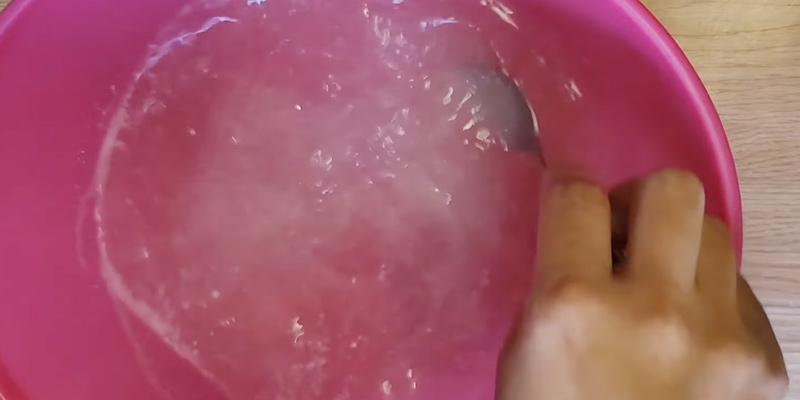
Materials Needed:
- White vinegar
- Warm water
- A bucket or basin
Steps:
- Mix the Solution – Fill a bucket or basin with warm water and add one cup of white vinegar.
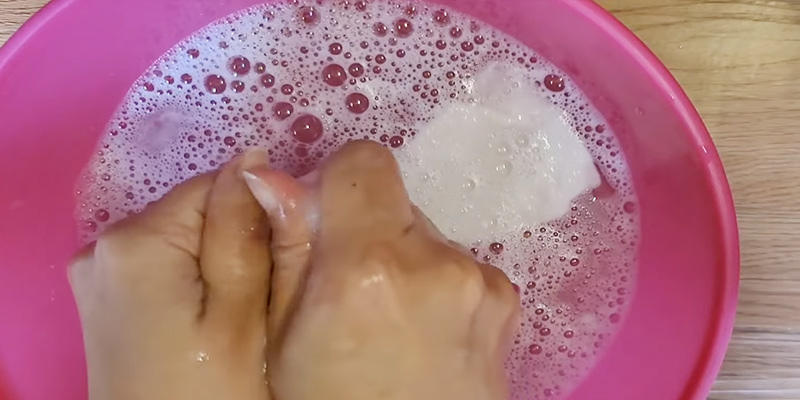
- Soak the Socks – Submerge your socks in the solution and let them soak for at least 30 minutes (or overnight for heavily stained socks).
- Wash as Usual – After soaking, wash the socks in your washing machine using detergent. You can add an extra half-cup of vinegar to the rinse cycle for added whitening.
- Air Dry in the Sun – Drying your socks in direct sunlight enhances the whitening effect.
Method 2: Boiling with Vinegar
Materials Needed:
- A large pot
- Water
- White vinegar
Steps:
- Fill a Pot – Add enough water to a large pot to fully submerge the socks.
- Add Vinegar – Pour in one cup of white vinegar.
- Boil the Socks – Bring the water to a boil and let the socks simmer for about 10-15 minutes.
- Wash and Dry – Rinse the socks with cold water and wash them as usual before drying.
Method 3: Washing Machine Boost
For regular maintenance, add half a cup of vinegar to the washing machine’s rinse cycle when washing white socks. This keeps them fresh, soft, and stain-free.
Extra Tips To Whiten Socks With Vinegar
- Mix vinegar with baking soda for tougher stains.
- Always use white vinegar, as other types may stain fabrics.
- Avoid using vinegar on delicate fabrics like wool or silk.
Benefits of Using Vinegar for Whitening Socks
Vinegar is a natural and effective solution for whitening socks while also offering additional benefits for fabric care.
Here are the key advantages of using vinegar for whitening socks:
Natural Whitening Agent
Vinegar helps break down stains, dirt, and grime, restoring the brightness of white socks without using harsh chemicals like bleach.
Removes Stubborn Stains
The acetic acid in vinegar effectively lifts tough stains, including sweat, mud, and detergent buildup, making socks look cleaner and fresher.
Eliminates Odors
Vinegar neutralizes unpleasant smells caused by sweat and bacteria, leaving socks fresh and odor-free.
Softens Fabrics
Unlike commercial fabric softeners that contain synthetic chemicals, vinegar naturally softens socks, preventing stiffness and rough texture.
Kills Bacteria and Fungi
Vinegar’s antibacterial and antifungal properties help disinfect socks, reducing the risk of foot infections and bad odors.
Prevents Soap and Detergent Buildup
Over time, detergent residue can make socks look dull. Vinegar dissolves soap buildup, keeping socks bright and fresh.
Eco-Friendly and Non-Toxic
As a natural cleaning agent, vinegar is free of harsh chemicals, making it an environmentally friendly and safe option for laundry care.
Cost-Effective Solution
Vinegar is an affordable alternative to expensive whitening products, offering great results at a fraction of the cost.
Safe for Fabrics
Unlike bleach, which can weaken fabric fibers, vinegar is gentle on materials and prolongs the lifespan of socks.
FAQs
How often can I use vinegar to whiten white socks?
You can safely use vinegar once every 1–2 weeks for maintenance. Overusing it in every wash may gradually weaken elastic fibers, especially in athletic socks with stretch materials.
Can vinegar restore yellowed socks caused by age?
Vinegar can reduce mild yellowing caused by sweat or detergent buildup. However, deep oxidation stains from aging may require a combination of vinegar and oxygen-based bleach for better results.
Does vinegar work on synthetic socks like polyester or nylon?
Yes, vinegar is safe for most synthetic fabrics. In fact, it works especially well on polyester athletic socks by breaking down odor-causing bacteria trapped in synthetic fibers.
Can I mix vinegar directly with laundry detergent?
It’s not recommended to mix vinegar directly with detergent in the same compartment. Add vinegar during the rinse cycle instead, as combining it with detergent may reduce cleaning effectiveness.
Will vinegar remove grass stains from white socks?
Vinegar alone may lighten grass stains but works best when pre-treated. Apply vinegar directly to the stain, gently scrub, then wash. For tough stains, combine with baking soda paste before washing.
Is it safe to use vinegar in high-efficiency (HE) washing machines?
Yes, vinegar is safe for HE machines when used in small amounts (½ cup). It can even help reduce detergent residue buildup inside the machine.
Can vinegar damage sock elasticity over time?
Occasional use is safe. However, frequent soaking for long hours may weaken elastic bands in cuffed or compression socks.
Does vinegar remove iron or hard water stains from socks?
Vinegar can help dissolve mild mineral deposits caused by hard water. For severe iron stains, a specialized rust remover may be more effective.
Should I rinse socks before soaking them in vinegar?
Yes, pre-rinsing removes loose dirt and allows vinegar to target deeper stains more effectively.
Can vinegar brighten colored socks too?
Vinegar helps maintain color vibrancy by removing detergent residue, but it won’t “whiten” colored socks. It can actually help prevent fading.
How long does it take to see noticeable whitening results?
Light stains may improve after one treatment, but heavily stained socks may require 2–3 treatments for visible whitening.
Is vinegar better than bleach for whitening socks?
Vinegar is gentler and safer for fabric longevity, while bleach works faster on deep stains but may weaken fibers over time.
Hi, I'm Christopher Bevans, the creator of SocksWiki.com. With a background in fashion design and a passion for innovation, I’m here to share my knowledge on socks from troubleshooting tips to detailed buying guides. I believe the right pair of socks can make all the difference, and through this site, I aim to help you find the perfect fit for every occasion.
- Latest Posts by Christopher Bevans
-
Is It Better to Sleep With Socks on Or off?
- -
How to Get Rid of a Sock Tan Line Naturally & Quickly
- -
What Socks to Wear With Grey Suit and Brown Shoes
- All Posts