
Christopher Bevans
Hi, I'm Christopher Bevans, the creator of SocksWiki.com. With a background in fashion design and a passion for innovation, I’m here to share my knowledge on socks from troubleshooting tips to detailed buying guides. I believe the right pair of socks can make all the difference, and through this site, I aim to help you find the perfect fit for every occasion.
Christopher Bevans
Hi, I'm Christopher Bevans, the creator of SocksWiki.com. With a background in fashion design and a passion for innovation, I’m here to share my knowledge on socks from troubleshooting tips to detailed buying guides. I believe the right pair of socks can make all the difference, and through this site, I aim to help you find the perfect fit for every occasion.
Are White or Black Socks Better? This is a common question for people who care about comfort, style, and practicality in everyday wear.
Choosing between white and black socks is not just about color preference; it also depends on factors like outfit coordination, usage, maintenance, and personal lifestyle.
Whether you are dressing for work, sports, or casual outings, understanding the pros and cons of each option can help you make a smarter choice. In this article, we will explore which option suits different needs best.
Quick Comparison: White Socks vs. Black Socks
To kick off our comparison, here is a quick overview of the key differences and typical use cases for white and black socks.
| Feature | White Socks | Black Socks |
| Primary Use | Sports, Casual Wear, Athletic Shoes | Formal Wear, Business Casual, Dark Shoes |
| Visibility of Dirt | High (Shows dirt/stains quickly) | Low (Conceals dirt/stains well) |
| Heat Absorption | Low (Reflects light/heat) | High (Absorbs light/heat) |
| Style/Formality | Highly Casual, Sporty | Formal, Sleek, Professional |
| Washing/Care | Requires frequent bleaching/whitening | Color retention is less demanding |
| Perceived “Cleanliness” | High (When new/clean) | Lower (When very dirty) |
| Durability Gauge | Easier to spot threadbare areas | Harder to spot wear and tear |
The Athletic Edge: Why White Socks Dominate the Sports Field
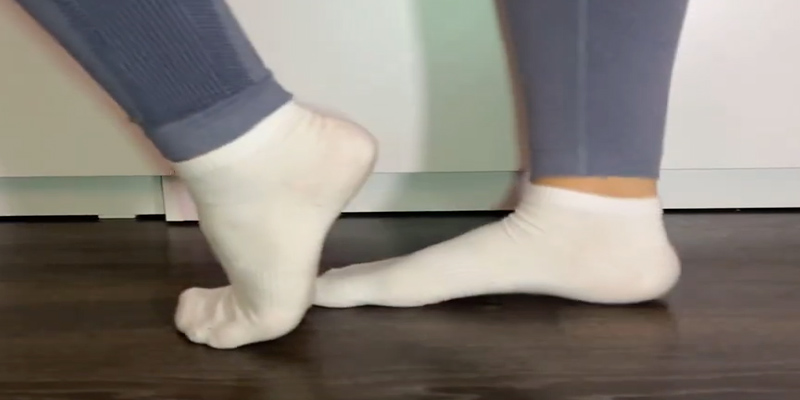
When you picture an athlete, from the basketball court to the tennis club, the image almost invariably includes a pair of crisp, white socks. This ubiquitous presence is not accidental; it’s deeply rooted in both function and tradition.
The Thermal Advantage of White
One of the most compelling arguments for white socks in a sporting context is their superior performance in heat management. The color white naturally reflects light and heat, whereas black absorbs it.
- Cooler Feet: During intense physical activity, your body temperature rises. Having socks that minimize heat absorption helps keep your feet cooler and more comfortable, potentially reducing excessive sweating and the risk of blisters.
- Reduced Discomfort: Less heat retention is crucial for long-duration activities like running marathons or playing full-length games under the sun.
A Beacon of Cleanliness and Performance
While they show dirt more easily, this visibility is actually a functional benefit in a high-intensity environment.
- Hygiene Check: Visible dirt and sweat stains are a clear indicator that the socks need to be washed. This encourages better hygiene practices, which are essential for preventing athlete’s foot and other fungal infections.
- Aesthetics of Sport: In many sports, tradition dictates white as a part of the uniform. It conveys a sense of sharp, fresh, and uniform appearance that is associated with peak performance and adherence to established rules.
The Mark of Sophistication: Where Black Socks Are Indispensable
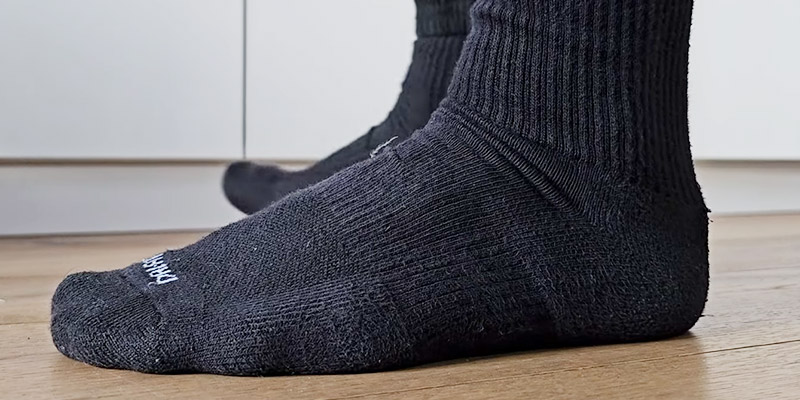
In the realm of business, formal events, and everyday professional life, black socks are the undisputed champion. Their versatility, ability to hide wear, and sleek aesthetic make them a wardrobe essential that simply cannot be replaced by their lighter counterparts.
The Golden Rule of Formal Wear
There’s an old but firm rule in men’s fashion: your socks should match your trousers, not your shoes. Since most formal and business trousers are dark (black, navy, charcoal grey), black socks ensure a seamless, unbroken line from the pant hem down to the shoe.
- Unbroken Silhouette: A flash of white sock between a dark pant and a dark shoe is jarring and interrupts the visual flow, making the wearer look less put-together. Black socks maintain a smooth, professional, and elongated silhouette.
- Versatility with Dark Shoes: Whether you are wearing Oxfords, loafers, or Chelsea boots, if the shoe is black or a very dark shade, black socks blend in effortlessly, making them the safest and most stylish choice.
Hiding the Evidence of Wear and Tear
This is perhaps the most practical benefit of black socks. They are the ultimate concealers.
- Stain Management: Coffee spills, mud splatter, or simple, everyday grime are virtually invisible on black fabric. This is a massive advantage for commuting, working in a bustling office, or traveling.
- Longevity Illusion: While socks wear out regardless of color, a dark color masks the signs of fading, pilling, and minor discoloration that are more noticeable on white fabric. This allows you to keep the same pair looking professional for a longer period.
Beyond Color: Key Factors in Choosing the Right Sock
The white vs. black debate often overshadows other crucial factors that determine a sock’s quality and suitability. When making your purchase, consider these elements, regardless of the shade you choose.
Fabric and Material
The material dictates the sock’s function and comfort more than its color.
- Cotton: Excellent for everyday, casual wear. It’s soft and breathable but retains moisture, making it a poor choice for intense exercise.
- Wool (Merino): Ideal for hiking and cold weather. Merino wool is surprisingly good at regulating temperature, keeping feet warm in the cold and relatively cool in the heat. It also has natural anti-microbial properties.
- Synthetics (Polyester, Nylon, Spandex): Dominant in athletic socks. These materials wick moisture away from the skin (moisture-wicking), which is essential for preventing blisters during prolonged activity. Spandex provides the necessary stretch for a snug fit.
Sock Length and Cut
The appropriateness of the color is often tied directly to the sock’s length.
The Context of Sock Length and Color
- No-Show/Ankle Socks: Often worn for functional reasons with athletic or casual sneakers, particularly in warmer weather. In this context, white or a shade that matches the shoe/trainer (black for black trainers) is acceptable.
- Crew/Mid-Calf Socks: This is the standard for both athletic and formal wear. For athletics, white is standard. For business attire, black or a dark color is mandatory.
- Over-the-Calf/Knee-High Socks: Primarily for formal wear, ensuring the leg skin never shows when sitting. Black is the default for dark suits and trousers.
Care and Maintenance: The Washing Dilemma
How you wash your socks is as important as the color you choose, and each color presents its own set of challenges.
Caring for White Socks
Maintaining that bright, crisp white can be a battle against time and stains.
- Separate Washing: White socks must always be washed separately from colored garments to prevent dye transfer and the dreaded “dingy grey” look.
- Bleaching: Using chlorine bleach or oxygen-based whiteners is often necessary to restore their bright white appearance and sterilize them after heavy use.
Immediate Treatment: Stains must be treated quickly before they set, which is more challenging for white socks.
Caring for Black Socks
Black socks are generally easier to maintain, but they face a unique problem: fading.
- Color-Safe Detergent: Use a detergent specifically designed for dark colors to minimize fading and preserve the depth of the black.
- Inside-Out Washing: Turning them inside out before washing can protect the outer surface from friction, which is a major cause of color loss and pilling.
- Avoid Excessive Heat: High heat drying can accelerate fading and damage the fabric’s elastic fibers. Air drying or low-heat drying is recommended.
Are White or Black Socks Better?
There is no single, absolute answer to whether white or black socks are better. The truth lies entirely in their context and purpose.
- White socks are undeniably better for athletic performance, high-intensity exercise, and casual, light-colored sneaker wear. They help keep your feet cooler and signal high hygiene standards.
- Black socks are the superior choice for professional environments, formal occasions, and everyday wear with dark clothing. They offer a sleek look, hide dirt effectively, and maintain a seamless, polished appearance.
Ultimately, a well-rounded wardrobe should include a healthy supply of both. By understanding the functional and aesthetic strengths of each, you can ensure that your sock drawer is prepared for any situation life throws at you, from the track meet to the boardroom.
Hi, I'm Christopher Bevans, the creator of SocksWiki.com. With a background in fashion design and a passion for innovation, I’m here to share my knowledge on socks from troubleshooting tips to detailed buying guides. I believe the right pair of socks can make all the difference, and through this site, I aim to help you find the perfect fit for every occasion.
- Latest Posts by Christopher Bevans
-
Is It Better to Sleep With Socks on Or off?
- -
How to Get Rid of a Sock Tan Line Naturally & Quickly
- -
What Socks to Wear With Grey Suit and Brown Shoes
- All Posts

